







Search Results for: filter cup tapping
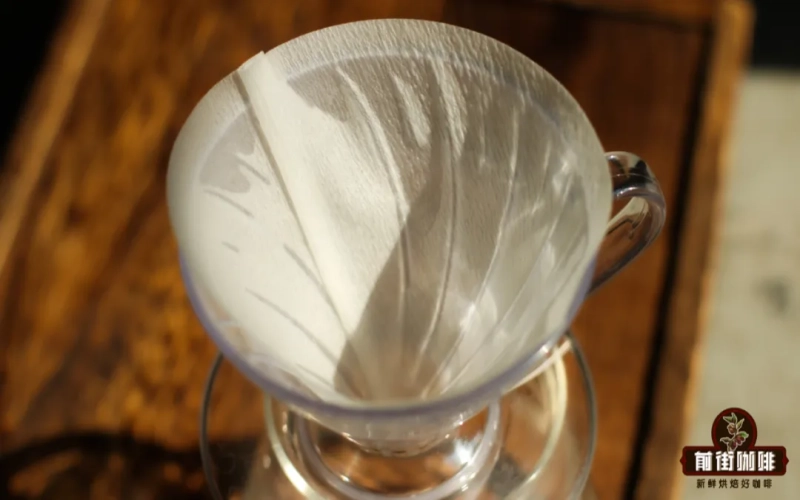
Why does tapping the coffee grounds in a pour-over dripper cause clogging? A complete analysis of fines migration and over-extraction risk
Many coffee enthusiasts have experienced this impulse while brewing: the moment they see an uneven coffee bed, they want to tap the dripper to level out the grounds. Yet this seemingly reasonable action can trigger a chain of negative reactions—fines sinking, the filter paper clogging, extraction time stretching out, and ultimately a bitter, over-extracted cup. Through comparative experiments, Front Street Coffee found that a tapped coffee bed took 21 seconds longer to complete extraction than an untapped one, with a noticeably bitter taste. The key principle behind this is the Brazil nut effect: vibration causes large particles to rise and fines to sink, clogging the pores of the filter paper. This article will analyze the causes of this phenomenon in detail and offer the correct methods for distributing the grounds and remedying the situation. [more…]
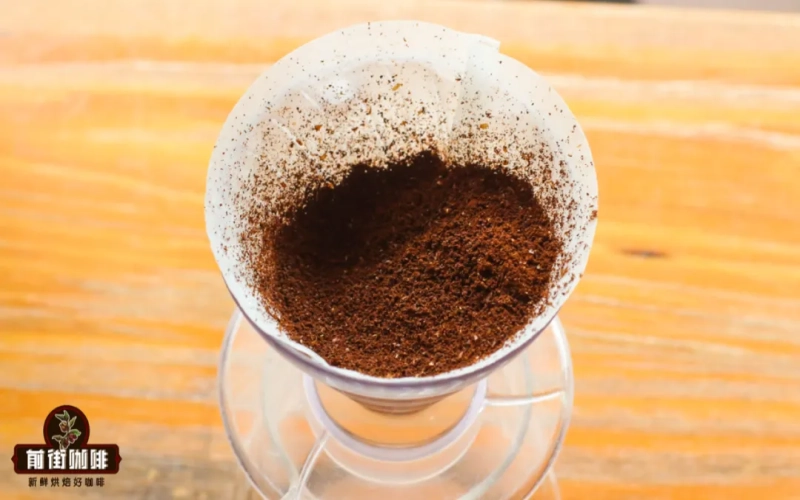
The art of leveling the coffee bed in pour-over brewing: How the Brazil nut effect causes uneven blooming and over-extraction
Many coffee enthusiasts are in the habit of tapping the dripper during pour-over to level the coffee bed, believing this promotes more even extraction. But you may not know that frequent or forceful tapping can actually trigger the "Brazil nut effect," causing fine particles to sink to the bottom and coarse particles to float up, leading to two negative outcomes: first, during blooming, hot water struggles to evenly saturate all the coffee grounds, and the fine particles at the bottom stay dry, resulting in under-extraction; second, the fine particles clog the pores of the filter paper, prolonging the extraction time and causing over-extraction. Through repeated testing, Front Street Coffee has found that when using a conical dripper and denser coffee grounds, digging into the bed after multiple taps often reveals dry clumps at the bottom. So how should an uneven coffee bed be handled? And what should you watch out for when tapping? This article will break it down for you in detail. [more…]
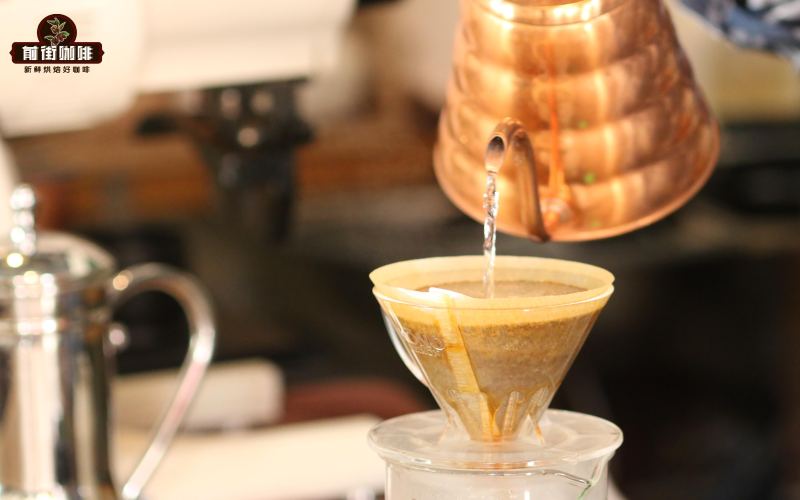
Pour-Over Coffee Water Quality
To brew a delicious cup of coffee, you need not only good beans but also good water. In brewed coffee, water accounts for over 98% of the final cup. Therefore, choosing the right water for brewing is also crucial. So what kind of water is actually suitable for brewing coffee? First, Front Street Coffee will explain the requirements for water suitable for brewing coffee. One [more…]

Is Lower TDS Water Always Better for Brewing Coffee? An In-Depth Look at ppm Standards and Mineral Water Choices
Many coffee enthusiasts, after purchasing equipment and beans, often overlook the critical impact of water quality on flavor. Tap water, filtered water, or purified water—different TDS levels will directly change the extraction results. From the perspective of Front Street, this article explains how calcium and magnesium ions influence the taste, why tap water tends to produce astringency, and why purified water leads to a hollow sensation. It also cites the SCAA standard of 75-250ppm along with practical recommendations, advocating the use of filtered or bottled water, and specifically mentions Nongfu Spring as a reference choice for daily brewing. [more…]
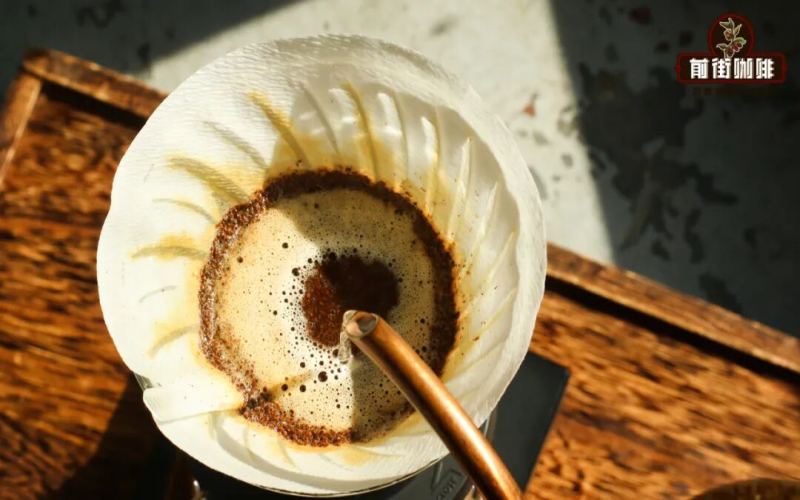
Pour-over coffee brewing method | What is the "Brazil nut effect" and how to avoid affecting coffee extraction when leveling the coffee bed
A surprise question from Front Street Coffee: when you pour coffee grounds into the dripper and end up with the scene shown below, what would you choose to do? A: Pat it flat. B: Pat it flat. C: Choose one or two. I believe most friends, just like Front Street Coffee, would choose to tap the dripper to make this unevenly distributed coffee bed become more level. [more…]
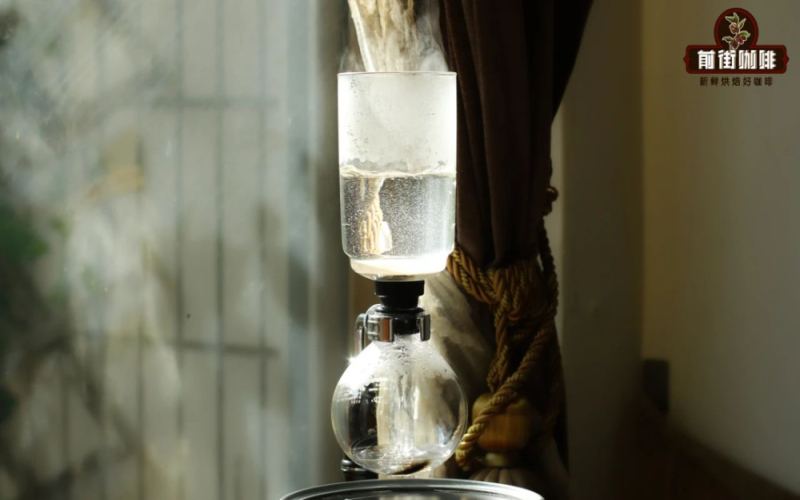
Complete Siphon Coffee Brewing Tutorial: Apparatus Structure, Filter Media Selection, Coffee Grounds Timing, and Operational Details
The siphon pot has become a rare piece of equipment in today's specialty coffee wave, with many cafés no longer offering siphon coffee, or keeping it only as a special featured item. For those who favor this brewing method, mastering a clear set of operating logic is more practical than relying on café output. Starting from Front Street's practice, this article systematically sorts out the siphon pot's construction principles, the trade-offs between cloth filters and paper filters, the choice of heat source, the divergence between adding coffee grounds first versus later, grind size and coffee-to-water ratio, stirring techniques, and the judgment of when to turn off the heat, and includes a complete reproducible brewing process to help coffee enthusiasts consistently recreate a cup of fragrant, rich, and mellow siphon coffee in their own kitchen. [more…]
How to brew pour-over coffee grounds to make it taste good? Analysis of nine detailed mistakes beginners often make
Many friends who are just getting into pour-over coffee encounter this confusion: they've bought the same beans as the café uses and followed the brewing recommendations, yet the cup they make tastes far different from what they had in the shop. In fact, the problem often isn't about how advanced your technique is, but rather a few easily overlooked small details. From purging the grinder before grinding, filter paper fitting, and the force of tapping the grounds, to checking before pouring, water temperature control, and bloom saturation, and further to executing parameters, observing the coffee bed, and swirling before drinking—every step can sway the final flavor in the cup. Front Street Coffee has put together nine details that beginners most easily overlook, to help you eliminate unstable factors at the source and bring every brew closer to the ideal taste. [more…]

Ten easily overlooked details in pour-over coffee, Front Street breaks them down for you one by one
Many coffee enthusiasts, when brewing pour-over coffee, follow established parameters yet the final flavor often deviates from expectations—the problem usually lies in those easily overlooked operational details. Front Street Coffee has compiled ten points that beginners most often neglect, covering pre-grinding burr rinsing, filter paper fitting, tapping the dripper, checking before pouring, timing of water temperature confirmation, parameter execution, bloom saturation, focusing on the coffee bed rather than the scale, shaking for evenness, and correctly interpreting the shape of the spent coffee bed. These details may seem minor, but they directly affect extraction uniformity and the final taste. Mastering them will help you pinpoint the source of problems more quickly during troubleshooting, bringing every cup closer to the ideal state. [more…]
Operating Guides for Various Coffee Brewers: Turkish Pot, French Press, Siphon, and Super-Automatic Machines Explained
To make a good cup of coffee at home, choosing the right equipment is only the first step—mastering the correct operating techniques is equally crucial. This article systematically reviews the key points for using a Turkish coffee pot, French press, siphon brewer, Belgian coffee maker, moka pot, semi-automatic and fully automatic coffee machines, breaking down everything from grind size and water temperature control to extraction time. Whether you prefer the rich, full-bodied Turkish flavor or the clean, layered clarity of a siphon brewer, you'll find the corresponding steps and detailed tips here. The article also specifically retains relevant product recommendations from the Front Street Coffee brand for coffee enthusiasts to reference when making purchases. [more…]
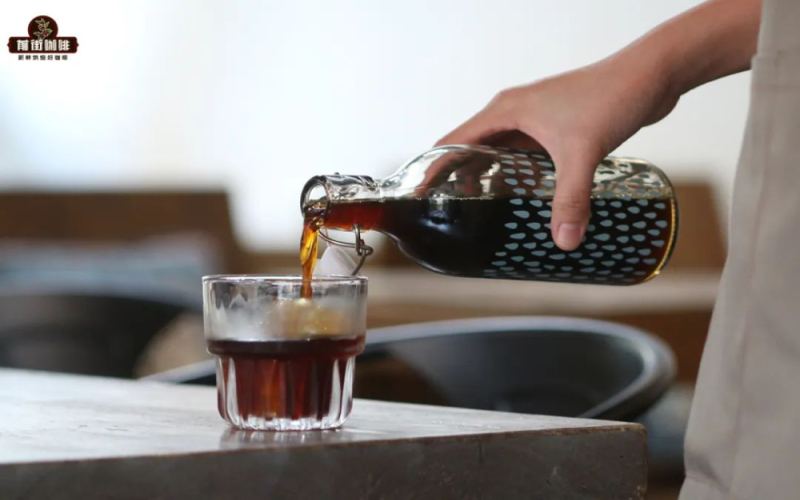
Cold Brew Coffee Complete Guide: Detail Techniques from Coffee-to-Water Ratio to Grind Size and Single-Origin Bean Recommendations
Cold brew coffee presents a refreshing, rich sweet-and-sour flavor through low-temperature slow extraction, but making a satisfying cup requires attention to many details. This article walks through the key points of cold brew coffee production one by one, from bean selection, roast date, tapping and tamping, pre-wetting, and filter paper placement, to grind size, drip rate, coffee-to-water ratio, and finally refrigeration fermentation and storage. It also combines Front Street brand's recommended single-origin beans such as Sidra, Strawberry Candy, Little Tomato, and Huakui, along with a recipe example of Strawberry Candy blended with Red Cherry, to help coffee enthusiasts master the core techniques of low-temperature extraction and reliably reproduce a clean, layered cup of cold brew coffee at home. [more…]
What Grind Size Is Suitable for Siphon Coffee? A Complete Guide to Coffee-to-Water Ratio, Stirring Technique, and Brewing Time
The siphon is a coffee brewing device full of retro charm. Although it is no longer commonly seen in coffee shops today, a group of loyal enthusiasts still insist on using it to make coffee. This article will start with the structure and principle of the siphon, then introduce the choice between cloth filters and paper filters, a comparison of heat sources, recommended coffee beans, and how to judge the order of adding grounds, the grind setting, the coffee-to-water ratio, the stirring method, and when to turn off the heat. It also includes Front Street Coffee’s usual complete operating procedure to help beginners get started quickly and make a cup of siphon coffee with rich aroma and a full-bodied taste. [more…]
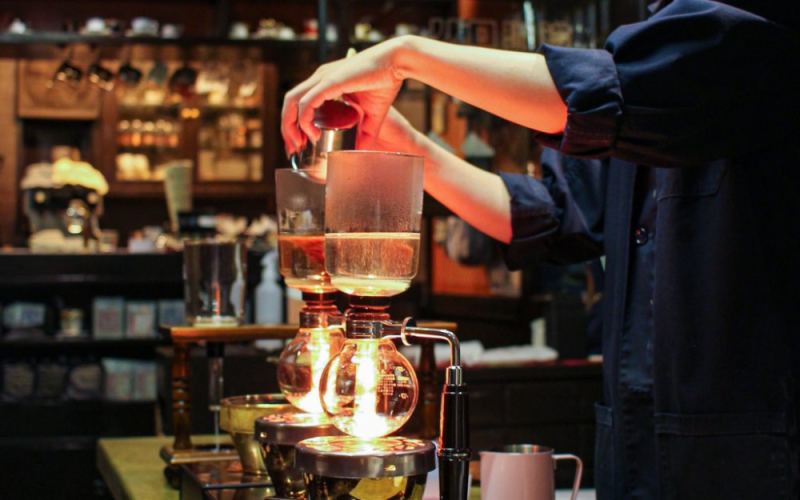
How a Siphon Works | What Makes Up the Structure of a Siphon Coffee Maker? How Do You Brew Coffee with a Siphon? What Are the Key Points for Making Siphon Coffee?
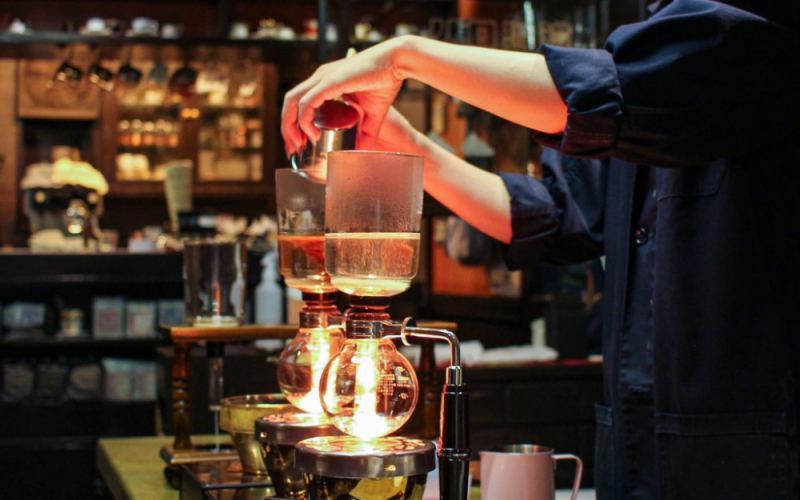
The siphon pot, with its appearance resembling laboratory equipment, is a coffee brewing tool that extracts coffee by utilizing pressure changes caused by steam and the siphon principle. It first appeared in Europe, and the trademark registration for the siphon pot was owned by a French lady, Marie Fanny Amelne Massot, exquisite [more…]
A Comprehensive Analysis of Siphon Coffee: From Extraction Principles to Brewing Details, Mastering the Key to Consistently Delicious Coffee
The siphon brewer, with its laboratory-equipment appearance and unique vacuum extraction method, has long been a favorite among coffee enthusiasts. It works by heating the lower chamber to generate steam pressure, pushing hot water up into the upper chamber to meet the coffee grounds; after the temperature drops, the pressure difference draws the coffee liquid back down into the lower chamber, resulting in a round, balanced cup. From the perspective of Front Street, this article systematically explains the siphon brewer's structural components, filtration and heating methods, grind size and coffee-to-water ratio, the timing for adding grounds, stirring techniques, and how to judge when to turn off the heat, along with a complete eight-step procedure to help you consistently brew a delicious cup of siphon coffee at home. [more…]
How many times can Lapsang Souchong Congou black tea be repeatedly brewed? The finer points of tea quantity for two and water quality
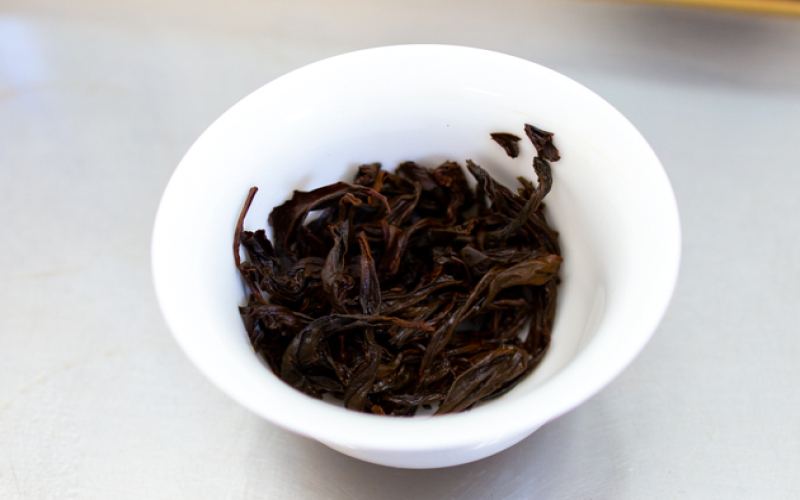
How many times can Zhengshan Xiaozhong Gongfu black tea actually be re-steeped? And for two people, how many grams of tea leaves should be weighed out? The answer lies in the water used, the tea-to-water ratio, and the rhythm of pouring. This article begins with water treatment, explaining why mineral water or mountain spring water is preferable, why tap water must be boiled to remove chlorine, and how scale and frequent water changes affect the taste of the tea; it then gives the general ratio of 40 milliliters of water to 1 gram of tea, and demonstrates the steps of warming the vessel, adding the tea, and a one-minute first steep. The key point is that after the second steep, almost no covered steeping is needed—simply letting boiling water skim over the leaves is enough, and only in this way can six consecutive steeps still carry flavor. The same principle applies to Front Street black tea. [more…]
The Complete Guide to Siphon Coffee Brewing: From Extraction Principles to Step-by-Step Instructions
The siphon brewer, with its laboratory-instrument appearance and unique vacuum extraction method, has long been favored by coffee enthusiasts. It first appeared in Europe, where a French woman named Marie Fanny Amelne Massot registered a trademark for it, and its classic spherical design established its iconic status among coffee brewing devices. This article will begin with the extraction principle of the siphon brewer, systematically introduce the device's structure, filtration system, and heat source selection, then move on to key steps such as coffee grind size, timing of adding coffee grounds, stirring technique, and judging when to turn off the heat, and finally provide a complete eight-step operating procedure. Front Street Coffee recommends using medium-roast beans such as Huilan, Bird of Paradise, Diamond Mountain, and Queen's Estate to highlight the rich, full-bodied flavor characteristics of siphon coffee. [more…]
A Review of Popular Cold Brew Coffee Maker Brands and a Practical Guide: A Full Breakdown from Bean Selection to Cold Brew Fermentation
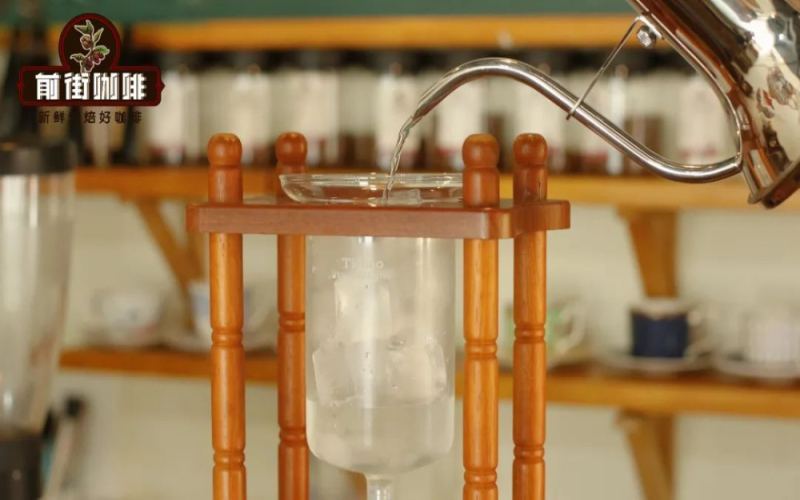
Cold brew coffee, with its refreshing sweet-and-sour flavor profile brought about by low-temperature extraction, has been gaining increasing favor among coffee enthusiasts in recent years. But if you want to make a delicious batch of cold brew at home, every step matters—from bean selection, grinding, and tamping to drip rate and refrigerated fermentation. This article walks through the complete cold brew-making process, covering in detail how to choose coffee beans based on roast level and freshness, the key techniques for leveling and tamping the grounds, the role of pre-wetting and placing filter paper, the standard range for grind size, how to regulate drip rate and coffee-to-water ratio, and the flavor-enhancing effect of refrigerated resting. The article also recommends several single-origin beans suited to cold brew, including Front Street Coffee's Sidra, Strawberry Candy, and Cherry Tomato, along with specific recipes and operating parameters—making it a useful reference for coffee lovers who want to systematically master cold brew techniques. [more…]

Starbucks Charging for Filtered Water and Straws Sparks Debate: Who Should Bear the Cost of Environmental Protection?
Since 2024, Starbucks has been charging RM1 for filtered water in Malaysia, and biodegradable straws and reusable straws also require an additional fee. This new environmental policy quickly sparked heated discussion among netizens at home and abroad: some criticized it for shifting the cost of environmental protection onto consumers, while others believed the move could help reduce single-use items. Starbucks employees revealed that stores have long experienced petty freeloading, and the charging measures might ease operational pressure. How to balance environmental protection and consumer interests has become a focus of attention. [more…]
A Complete Guide to Arabica Pour-Over Coffee Grounds-to-Water Ratios: How Many Beans Are Right for a Cup of Coffee?
Brewing a good cup of pour-over coffee hinges on the coffee-to-water ratio and the amount of beans used. This article begins with the flavor differences between Arabica and Robusta, answers just how many coffee beans are needed to brew a cup, and explains in detail the optimal water temperature range, key points for choosing water quality, and the trade-offs between different brewing methods. Whether you prefer American filter coffee or espresso, the logic behind bean selection and dosage varies with your taste preferences, and the article also retains relevant product recommendations from the Front Street brand for coffee enthusiasts to reference and put into practice. [more…]
Siphon Coffee Brewing Practical Guide: Structure, Principles, Operating Steps, and Suitable Coffee Bean Selection
The siphon brewer carries a strong retro appeal, and today it is no longer a regular offering in many coffee shops, appearing more often as a specialty single-item brew. However, for siphon coffee enthusiasts, if you can't get it in a shop, you just do it yourself. This article covers the structure of the siphon brewer, cloth filters and paper filters, heat sources, timing of adding grounds, grind size, coffee-to-water ratio, stirring techniques, and how to determine when to end the brew, and uses an actual brewing process as an example to explain step by step how to make a cup of coffee with rich aroma and a full-bodied mouthfeel using a siphon brewer. It will also discuss the operational differences between siphon brewing and pour-over, as well as some of Front Street Coffee's insights on using this device. [more…]
Is drip bag coffee made from ground coffee beans? Should the filter bag be immersed in water when brewing?
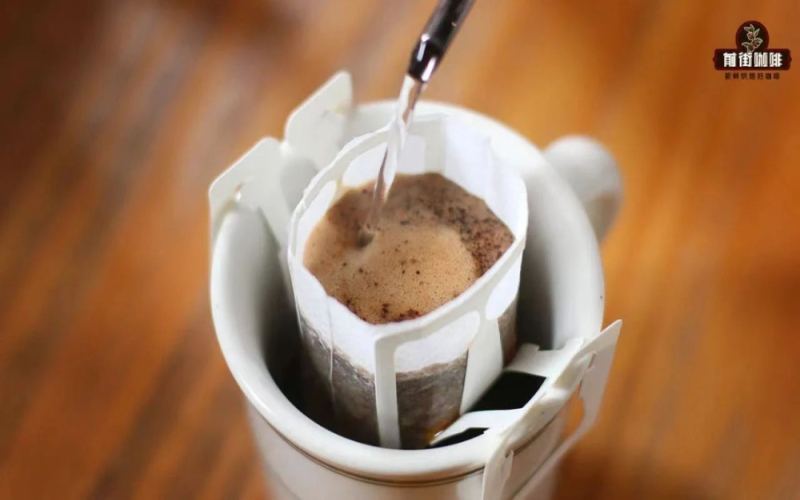
Drip bag coffee, with its portability and ease of brewing, has become the top choice for many people to satisfy their coffee cravings anytime, anywhere. But a tiny drip bag can vary dramatically in flavor expression—from green bean grade, roasting freshness, grinder cleanliness, to filling craftsmanship, every step influences the final taste. This article addresses two common questions: Is drip bag coffee simply coffee beans ground into powder? Should the bag be immersed in water during brewing? It also reviews several drip bag products under Front Street Coffee suited to different taste preferences, and shares the complete steps and detailed tips for hand-brewing drip bags, helping you consistently recreate a cup of richly aromatic coffee at home or in the office. [more…]